🖨 Print⏱ 4 min readIn order to survive – and even thrive – during these unprecedented times, small businesses have had to find new ways to make money. The UPS Store’s Small Biz Buzz survey found that 41 percent of small businesses in the United States took steps to modify […]
Read More
🖨 Print⏱ 3 min readWith COVID-19 still requiring remote working, companies that effectively on-board new workers retain their workers longer, have better worker performance, and increase their profits by almost 100 percent, according to the U.S. Chamber of Commerce. However, there are many considerations that companies should take during this […]
Read More
🖨 Print⏱ 4 min readWith winter around the corner and the threat of seasonal viruses looming, a second wave of COVID-19 poses a real threat to our health and business operations, according to Johns Hopkins Medicine. Statistics from the Centers for Disease Control and Prevention (CDC) reveal that the 2019-2020 […]
Read More
🖨 Print⏱ 4 min readSmall businesses nationwide were already facing cash problems before the COVID-19 pandemic, according to McKinsey & Company. The firm found that almost one-third of small businesses were either seeing losses or making just enough to stay in business, but not realizing profitability. Looking at businesses selling […]
Read More
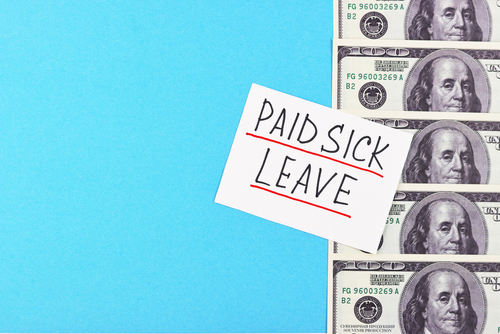
🖨 Print⏱ 5 min readAccording to the United States Department of Labor’s Wage and Hour Division, the Families First Coronavirus Response Act addresses how select businesses must give their workers paid sick leave or expanded family and medical leave under permitted circumstances in light of COVID-19. Effective starting April 1, […]
Read More
🖨 Print⏱ 4 min readThe U.S. job market gained 2.5 million jobs during the month of May, dropping the unemployment rate to 13.3 percent, according to the U.S. Bureau of Labor Statistics. There’s likely been a lot of rehiring, with more to come as the economy continues reopening. However, until […]
Read More
🖨 Print⏱ 4 min readAfter seeing a peak and then a sustained decline in coronavirus cases, hospitalizations, and deaths resulting from COVID-19, the White House and the Centers for Disease Control and Prevention has rolled out a three-tier approach to get the nation back to its pre-coronavirus economic activities. While […]
Read More
🖨 Print⏱ 3 min readWhen it comes to cost accounting, the high-low method is an approach that’s used to break mixed costs into either a variable or fixed cost. Although it’s straightforward, it’s important to do multiple analyses because outlier costs from the available data can sometimes misconstrue operating costs. […]
Read More
🖨 Print⏱ 7 min readU.S. Government Provides Relief to Individuals, Businesses in Midst of COVID-19 Crisis On March 27, President Donald Trump signed into law a historic $2 trillion stimulus package designed to provide economic relief to individuals and businesses affected by the coronavirus pandemic. Our aim in this alert […]
Read More
🖨 Print⏱ 6 min readOne way a business can manage its books and viability in the near and long terms is to see how liquid its assets are. Businesses that have better cash positions are naturally geared toward sustaining continued success. One important reason for a business to measure and […]
Read More